- /
- Hold And Win Jackpot Tiers
 Back to Blog
Mini, Minor, Major, and Grand: Hold and Win Reward Tiers Explained
 Sarah Mitchell
 Aug 14, 2026
 4 min read
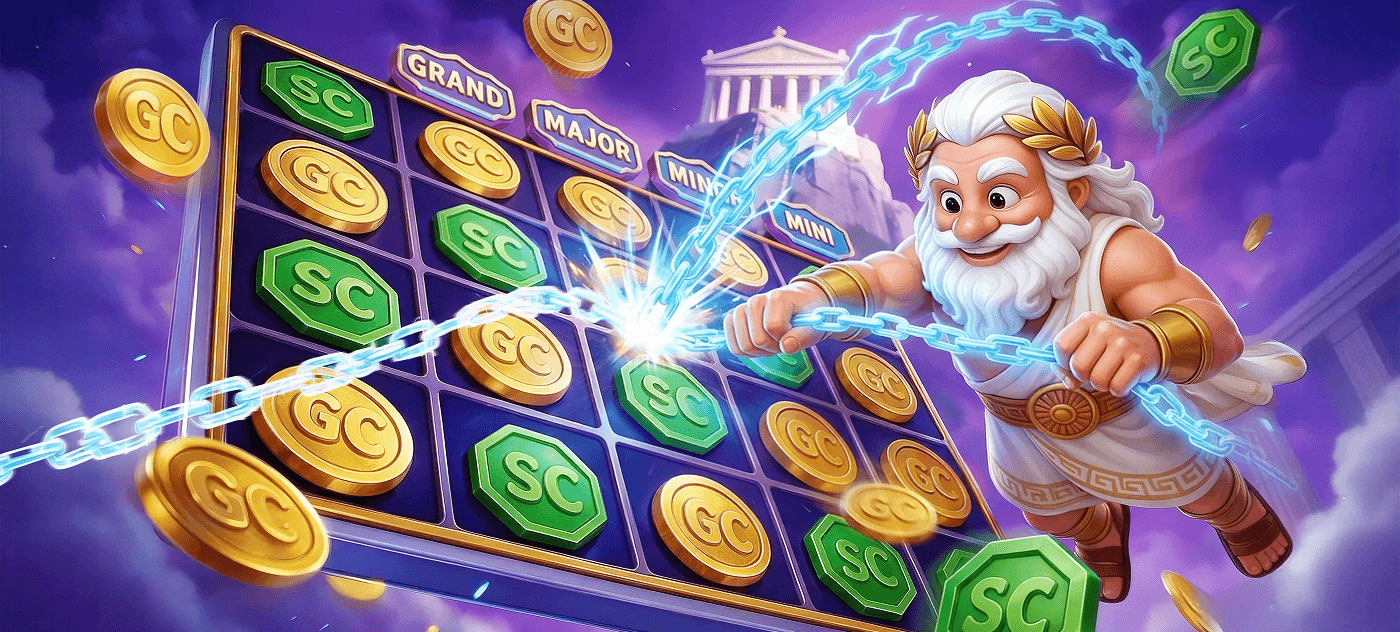
Hold and Win games often use tier names such as Mini, Minor, Major, and Grand to organize their largest feature rewards.
These labels give players a quick way to understand the relative order of the available tiers. Mini is normally the lowest of the four, while Grand is usually the highest. However, the names do not represent one universal value across every game.
One title may award a tier when a matching symbol lands during the Hold and Win feature. Another may require players to fill the entire grid, collect a certain number of symbols, complete a meter, or activate a game-specific feature.
The exact values and activation rules depend on the individual title and provider.
Players exploring Hold and Win games should therefore check the game’s rules rather than assuming that Mini, Minor, Major, and Grand work identically across the full category.
This guide explains what Hold and Win jackpot tiers generally mean, how they may be activated, how fixed values differ from changing rewards, and why completing the grid does not always produce the same result.
What Are Hold and Win Jackpot Tiers?
Hold and Win jackpot tiers are named reward levels that may appear during the base game, respin feature, bonus cycle, or another title-specific event.
The most common four-tier structure is:
- Mini
- Minor
- Major
- Grand
The names indicate an order rather than a standardized value.
In a game using all four tiers:
- Mini is normally the smallest named reward.
- Minor is normally positioned above Mini.
- Major is normally positioned above Minor.
- Grand is normally the highest named tier.
BGaming describes Mini, Minor, Major, and Grand as a common tier structure within Hold and Win mechanics, with higher tiers generally carrying higher values. The provider also notes that locked values, multipliers, and triggered jackpot rewards may be combined when the bonus concludes.
That does not mean every game includes all four labels. Some titles may use:
- Mini, Major, and Mega
- Mini, Minor, and Grand
- Mini through Grand plus a Mega or Royal tier
- Prize pots instead of jackpot labels
- Game-specific names
- A single top-grid reward
- No named reward tiers at all
The individual game information remains the final reference.
What Does the Mini Tier Mean?
Mini is generally the first or lowest named reward tier in a four-level structure.
It may be activated when:
- A Mini symbol lands
- A Mini coin appears
- A feature wheel stops on Mini
- A certain number of special symbols are collected
- A progress condition is completed
- A game-specific Mini pot is selected
Although Mini is the lowest named tier, it is separate from ordinary coin or symbol values that may also appear during the feature.
For example, a Hold and Win round might contain:
- Standard coin values
- Multiplier symbols
- Collect symbols
- A Mini symbol
- A Minor symbol
- A Major symbol
- A Grand condition
In this structure, Mini is still one of the named reward levels even though other regular values may be collected throughout the round.
What Does the Minor Tier Mean?
Minor is normally the second level in the conventional four-tier structure.
Its value is generally higher than Mini but lower than Major.
Depending on the title, the Minor tier may:
- Appear directly on a locked symbol
- Be revealed from a mystery symbol
- Be awarded through a prize pot
- Require a particular number of collected objects
- Be selected through a bonus wheel
- Be linked to a coloured pot or progress meter
The important point is that “Minor” describes its position within that game’s reward hierarchy. It does not mean that all Minor rewards have the same value.
One provider may set Minor at a fixed multiple of the selected game amount. Another title may use a different value or activation system.
What Does the Major Tier Mean?
Major is usually the second-highest level when Mini, Minor, Major, and Grand are all present.
Because it is placed below Grand, it may be less common or carry a higher value than the first two tiers. The specific frequency and value are controlled by the individual game design.
A Major reward may be connected to:
- A dedicated jackpot symbol
- A collection meter
- A mystery coin
- A feature pot
- A number of matching objects
- A random feature event
- A completed section of the board
Players should not assume that nearly filling the grid automatically awards Major. Some games connect Major only to a specific symbol or feature.
What Does the Grand Tier Mean?
Grand is commonly the top level in a four-tier Hold and Win structure.
It is often the most prominent named reward displayed on the game screen.
Some titles award Grand when the entire Hold and Win grid is filled. Official provider examples include games where completing every available position activates a stated Grand reward. However, this is a game-specific rule rather than a universal requirement.
Other games may award Grand when:
- A Grand symbol lands
- A particular number of special symbols is collected
- A progress meter is completed
- A feature wheel selects Grand
- A prize pot opens
- A mystery symbol reveals Grand
- A title-specific condition is met
For example, BGaming’s Chicken Fire uses dedicated Mini, Minor, Major, and Grand symbols that can appear during its bonus feature. This differs from games where Grand is tied specifically to filling the board.
The presence of a Grand label therefore does not by itself explain how it is awarded.
Mini, Minor, Major, and Grand at a Glance
| Tier | Typical position | Possible activation methods |
|---|---|---|
| Mini | First named tier | Dedicated symbol, prize pot, meter or feature |
| Minor | Second named tier | Symbol, collection condition, pot or mystery reveal |
| Major | Second-highest tier | Higher-tier symbol, feature event, meter or collection |
| Grand | Highest conventional tier | Full grid, Grand symbol, progress condition or special feature |
This table describes the common hierarchy only.
It does not define the value, frequency, or exact activation method for a particular title.
Are Hold and Win Jackpot Values Fixed?
Many Hold and Win games use fixed reward values.
A fixed reward remains set according to the game’s rules rather than increasing continuously as other users play.
BGaming explains that many Hold and Win titles use flat or fixed jackpot structures, with tiers such as Mini, Minor, Major, and Grand linked to predetermined values.
A fixed tier might be displayed as:
- A multiple of the selected game amount
- A set number of virtual coins
- A value shown directly in the rules
- A number calculated from the current game setting
For example, official provider materials show titles where Mini, Minor, Major, and Grand each have defined multiplier values. The actual numbers vary substantially between games.
Players should not carry the values from one title into another.
Can Hold and Win Reward Values Change?
Some displayed values may change according to the selected game level or another title-specific setting.
A game may present values as multiples rather than one fixed virtual-coin amount.
For example, a tier shown as a multiple may produce a different final number when the selected game value changes. The underlying multiplier may remain fixed even though the displayed amount changes.
Other games may include:
- Progressively increasing symbols
- Value boosters
- Stacked multipliers
- Collect features
- Expanding grids
- Upgradable prize pots
- Mystery values
- Additional top tiers
These features can affect the final reward calculation without changing the basic order of Mini, Minor, Major, and Grand.
Players should consult the game rules to determine whether a value is:
- Fixed
- Multiplier-based
- Connected to the selected game amount
- Increased by another feature
- Revealed only at the end
- Subject to a collection or upgrade mechanic
Are Hold and Win Jackpots Progressive?
Not necessarily.
A progressive jackpot normally grows as eligible activity contributes to a shared or game-specific pool. A fixed jackpot remains at a defined value under the game rules.
Many Hold and Win titles use fixed or flat tiers rather than progressive ones.
However, the word “jackpot” alone does not tell the player which system is being used.
Check whether the information screen describes the reward as:
- Fixed
- Flat
- Progressive
- Local
- Networked
- Multiplier-based
- Game-specific
Do not assume that a Mini, Minor, Major, or Grand display is progressive simply because its label includes the word jackpot.
How Are Hold and Win Tiers Activated?
There is no single activation method used by all Hold and Win games.
Several common approaches appear across the format.
1. Dedicated Jackpot Symbols
Some games include symbols labelled Mini, Minor, Major, or Grand.
When one of these symbols lands under the required conditions, the corresponding tier may be awarded.
BGaming’s Chicken Fire is one example in which dedicated symbols represent all four tiers during the bonus game.
In another title, a jackpot symbol may need to be:
- Collected
- Held until the feature ends
- Combined with another symbol
- Captured by a Collect icon
- Landed in a particular position
The symbol’s appearance alone may not always complete the condition, so the rules should be checked.
2. Filling the Entire Grid
Some Hold and Win games connect the Grand reward to filling every available position.
During the feature:
- Initial qualifying symbols lock in place.
- Empty positions respin.
- New qualifying symbols also become locked.
- New symbols may reset the remaining-respin counter.
- Filling the board may activate the Grand tier.
Official game materials from BGaming, Booming Games, and Playson provide examples where a completed grid awards a defined Grand reward.
However, this rule must not be applied to every game.
In some titles, completing the grid may instead:
- Double the collected values
- Activate another feature
- Expand the board
- Award a differently named top tier
- Complete the Hold and Win round without an extra Grand reward
3. Collecting a Required Number of Symbols
A title may award progressively higher tiers as the player collects more of a particular symbol.
For example, a game could link:
- Two special symbols to Mini
- Three to Minor
- Four to Major
- Five to Grand
Playson has published an example of this structure in which the number of collected Bonus Gold symbols determines which named tier is awarded.
The required symbol counts are game-specific.
4. Mystery Symbols
A mystery symbol may conceal:
- A regular coin value
- A multiplier
- A Mini reward
- A Minor reward
- A Major reward
- A Grand reward
- Another feature
The hidden value may be revealed when the symbol lands, when it is collected, or when the Hold and Win cycle finishes.
Mystery symbols add another layer of information for players to check in the rules. Their appearance does not guarantee that they contain a named tier.
5. Prize Pots
Some games display coloured pots, containers, meters, or feature icons above the reels.
These may correspond to:
- Separate bonus modifiers
- Different prize tiers
- Additional Hold and Win modes
- Jackpot values
- Collection features
A pot may activate when matching symbols land or when its associated meter reaches the required level.
The relationship between pot colour and reward tier varies by title.
6. Bonus Wheels
A wheel may award one of several results, including a named reward tier.
The wheel might be triggered by:
- A special symbol
- A collected object
- A completed meter
- A random game feature
- A separate bonus event
In these games, Mini through Grand may be wheel outcomes rather than symbols placed directly on the Hold and Win grid.
7. Progress Meters
A meter may track collected symbols, feature objects, or another form of progress.
Completing the meter may:
- Award a named tier
- Unlock access to a tier
- Upgrade one tier into another
- Activate a separate feature
- Add symbols to the board
A full meter does not always represent the Grand reward unless the game rules state that it does.
How Do Jackpot Symbols Affect the Final Hold and Win Result?
A Hold and Win round may contain several types of value.
These can include:
- Regular locked coin values
- Multipliers
- Mini symbols
- Minor symbols
- Major symbols
- Grand symbols
- Mystery values
- Collect symbols
- Feature modifiers
At the end of the cycle, the game applies its rules to calculate the result.
BGaming’s general Hold and Win explanation states that collected values may be added together with multipliers and any jackpot rewards activated during the round.
However, the calculation may differ in individual titles.
For example:
- A multiplier may affect one symbol.
- A multiplier may affect an entire row.
- A Collect symbol may gather all visible values.
- A jackpot symbol may add a separate fixed value.
- Filling the grid may add Grand on top of the collected symbols.
- Completing the grid may replace or transform another result.
The paytable or information screen should explain the exact calculation.
Does Filling the Grid Always Award Grand?
No.
Filling the grid awards Grand only when that rule is included in the specific game.
Some official titles clearly connect a full board with Grand. Others use different systems.
A completed grid may instead:
- Finish the feature
- Award all collected values
- Trigger a multiplier
- Double the board
- Activate an expanded grid
- Award a differently named reward
- Unlock another phase
This is one of the most important distinctions for beginners.
The general Hold and Win format explains how symbols lock and respins continue. It does not create one universal full-grid reward.
Before beginning a new title, check:
- Is Grand displayed on the information screen?
- Does the game say that a full grid awards Grand?
- Can Grand land as a symbol?
- Does the game have more than one grid?
- Does filling one grid unlock another?
- Is there another tier above Grand?
- Are all collected values awarded in addition to Grand?
Can a Game Have a Tier Above Grand?
Yes.
Grand is usually the highest tier in a four-level structure, but some games include another top reward.
Possible additional labels include:
- Mega
- Royal
- Super
- Ultimate
- Max
- A theme-specific name
BGaming’s Piggy Bank Hold & Win, for example, includes a Royal tier above its Grand reward under its published feature structure.
Another title might omit Minor or Major and use a different three-tier arrangement.
This is why players should treat Mini, Minor, Major, and Grand as common conventions rather than mandatory industry rules.
How Grid Size Can Affect the Tier System
Hold and Win games can use different grid sizes.
Examples may include:
- 3×3
- 5×3
- 5×4
- Expanded grids
- Multiple connected reel sets
- Grids that grow during the feature
Grid size affects how many positions are available, but it does not by itself determine the value of a reward tier.
A larger grid may:
- Require more symbols to fill
- Contain more positions for values
- Include additional feature spaces
- Unlock another section
- Use a different full-grid reward
Booming Games has published Hold and Win examples in which the feature expands to a larger grid and awards Grand only when that enlarged board is completed.
Players should therefore review both the grid and the feature conditions.
What Is the Difference Between a Reward Tier and a Regular Coin Value?
A regular coin symbol usually displays a value that contributes to the feature’s final total.
A named reward tier is a separate predefined level such as Mini or Major.
For example, one Hold and Win feature might include:
- Coin worth 2
- Coin worth 5
- Coin worth 10
- Multiplier symbol
- Mini symbol
- Major symbol
- Grand awarded for a full grid
The regular coins build the main collected total. The named tiers add separate values or activate additional rewards according to the rules.
The visual design may make all these elements look similar, so players should check the labels carefully.
How to Read Hold and Win Reward Information
Before playing a new title, open its help, rules, or paytable section.
Look for the following information.
Available tiers
Check whether the title includes:
- Mini
- Minor
- Major
- Grand
- Another tier above Grand
- Fewer than four named rewards
Tier values
Determine whether each tier is shown as:
- A fixed number
- A multiplier
- A changing displayed value
- A prize pot
- A value connected to the selected game level
Activation method
Find out whether the tier is awarded through:
- A direct symbol
- A completed grid
- A collection requirement
- A wheel
- A mystery reveal
- A progress meter
- A random feature
- Another game-specific event
Full-grid rule
Confirm exactly what happens when every position is occupied.
Additional modifiers
Check whether multipliers, Collect symbols, upgrades, or expanded grids can change the final calculation.
End-of-feature calculation
Review how all locked values and activated tiers are combined when the respins end.
Common Misunderstandings About Hold and Win Tiers
“Grand always requires a full grid.”
Not always. Some titles use a full grid, while others award Grand through a symbol, collection condition, wheel, or progress feature.
“Mini and Minor have the same value in every game.”
They do not. The names describe their relative positions within a particular title.
“Every Hold and Win game includes four tiers.”
Some titles include fewer, more, or differently named tiers.
“All Hold and Win jackpots are progressive.”
Many Hold and Win rewards are fixed or multiplier-based rather than progressive.
“Nearly filling the grid guarantees Major.”
A nearly completed grid does not automatically award a named tier unless the rules connect that condition with Major.
“A mystery symbol must contain a jackpot.”
Mystery symbols can reveal different values or features depending on the title.
“Previous rounds show when a tier is due.”
Previous results do not guarantee that a named symbol, full grid, or feature will appear in a later round.
Can Players Predict When a Reward Tier Will Appear?
No visible pattern guarantees when Mini, Minor, Major, or Grand will be activated.
A screen may show previous results, but that information does not prove that a particular tier is due.
For example:
- Several rounds without Mini do not guarantee Mini next.
- A nearly completed board in one round does not affect the next round.
- Repeated low-value symbols do not ensure that a Major symbol will appear.
- Seeing Grand in a previous session does not prevent it from appearing again.
- A particular time of day does not guarantee a tier.
The game’s rules explain how a reward can be activated, not when it will occur.
Exploring Hold and Win Games at Jackpot Go
Jackpot Go is an online sweepstakes social casino with several slot formats, including a dedicated Hold and Win category.
The available collection includes titles with different:
- Themes
- Grid sizes
- Locked-symbol mechanics
- Respin systems
- Mystery features
- Multipliers
- Prize structures
- Reward-tier configurations
Because each title can use its own rules, players should review the information screen before beginning.
The online Hold and Win collection allows players to compare different titles without assuming that every game uses the same Mini, Minor, Major, or Grand structure.
Beginner Tips for Understanding Reward Tiers
Read the game rules first
Do not rely only on the tier labels displayed above the reels.
Check whether the values are fixed
Determine whether they remain the same or respond to the selected game level.
Confirm how Grand is activated
Look specifically for a full-grid rule, Grand symbol, meter, wheel, or collection condition.
Check for a tier above Grand
Some games add Mega, Royal, or another title-specific top level.
Distinguish reward symbols from regular values
A coin carrying a standard number is not necessarily a Mini or Minor symbol.
Review the full-grid condition
Completing the grid may award Grand, activate another feature, or simply finish the board total.
Do not infer rules from another game
Two titles from the same provider may still use different grids, symbols, and reward structures.
Treat each round separately
Previous feature results do not predict which tier will appear next.
Responsible Social Gameplay
Hold and Win games should be approached as entertainment.
Helpful habits include:
- Checking the selected virtual-coin mode
- Reviewing the game’s rules
- Setting a time limit
- Taking regular breaks
- Avoiding claims of guaranteed reward tiers
- Not attempting to recover previous results
- Reviewing account activity
- Stopping when the experience is no longer enjoyable
No pattern, timing method, or symbol-tracking system can guarantee Mini, Minor, Major, or Grand.
Final Thoughts
Mini, Minor, Major, and Grand are common names used to organize Hold and Win reward tiers.
Their usual order is:
- Mini
- Minor
- Major
- Grand
However, the labels do not have universal values or activation rules.
Depending on the game, a tier may be awarded by:
- Landing a dedicated symbol
- Filling the entire grid
- Collecting a required number of objects
- Completing a progress meter
- Activating a prize pot
- Revealing a mystery symbol
- Using a bonus wheel
- Completing another title-specific condition
Many Hold and Win games use fixed or multiplier-based reward values, but players should check whether the individual title describes its tiers differently.
Grand may be the top conventional reward, although some games add Mega, Royal, or another tier above it.
The best way to understand a game is to open its paytable or information screen and confirm the available tiers, their values, the activation method, and the full-grid rule.
Players can browse games with Hold and Win reward features and compare how different titles apply the familiar Mini-to-Grand hierarchy.
FAQ
Jackpot Go is a sweepstakes social casino. Sweeps Coin gameplay and eligible prize redemption are subject to location, age, verification, and platform requirements. No purchase is necessary. Terms apply.
About the Author

Sarah Mitchell
Community manager and content creator focused on bringing the latest Warframe news and updates to the community. Passionate about helping new players succeed.